
Product Description
EP-68 Agricultural gearbox Lawn mower series
Characteristic
If you’re in the market for a new lawn mower, you might be wondering which gearbox is right for you. Here are some things to consider: Hydrostatic transmission, Locking differential, EC gearboxes, Cruise Control, and more. While these features might not sound important to you, they can make all the difference when you’re mowing your lawn. And, remember, the higher the model number,the more expensive the mower.
Hydrostatic transmission
A hydrostatic transmission is a mechanical design for a lawn mower. Like a car’s automatic transmission, a hydrostatic lawn mower has a hydraulic pump that affects the fluid to change gears. The transmission system also contains mechanical components such as a drive axle and differential. A malfunction of any of these components will prevent the lawnmower from moving. The hydrostatic fluid is passed through high-pressure rubber or metal hoses. If the hoses leak, the transmission will not function properly.The drive mechanism on a hydrostatic lawnmower has several common components. The failure of 1 of these components will render the lawnmower immobile. Most lawn mower manufacturers install a pressure-sensitive switch underneath the seat to prevent this problem. However, if the switch malfunctions, the drive won’t engage. Another common problem is a seized parking brake. Seized parking brakes can also impair the performance of a hydrostatic lawnmower.
Locking differential
There are a variety of benefits of a locking differential on a lawn mower. It prevents wheels from spinning out of control and makes mowing in rough terrain safer. This feature is usually a simple one-step process that can be performed by any lawn mower owner. Some mowers even feature foot pedals for differential lock. To operate your mower, follow the manufacturer’s instructions.To learn more about the benefits of a locking differential, read the manufacturer’s manual.
A locking differential works by locking both wheels on the axle to rotate at the same speed. This is especially useful on slopes or other terrain with poor traction. This locking mechanism also ensures that maximum power is transferred to the remaining wheels. The difference in power transfer is substantial, allowing your lawn mower to move CHINAMFG smoothly despite varying terrain. It also reduces the risk of wheel lift. While the difference between the 2 systems isn’t as great as an open differential, they can give you a huge boost in traction.
EC gearboxes
If you’re looking to buy a new lawn mower, you need to know that each series has its own specific characteristics. These include a model type and a series number. The model type identifies the specific grouping of units, size, and cutting style. Knowing the differences between each series will help you find the right 1 for your needs and save you time. You can even browse their parts catalog to find the specific part you need.
Honda’s Cruise Control
A unique feature of Honda’s HRR216K3VXA series lawn mower is its Cruise Control. This system provides precise control of speed,ranging from zero to 4 mph. It uses a clutch lever to allow the operator to set the speed by resting his or her hands on the handlebars. Its ergonomic design makes it easy to maneuver and also offers the convenience of self-propulsion.The GCV200 engine is easy to start, offers fuel efficiency and delivers more power than its predecessor. This improved engine will give you a better cut even on thick grass, while the improved durability will give you years of trouble-free service. Honda’s Cruise Control hydrostatic transmissions provide precise speed control from zero to 4 mph. These mowers are designed for optimal performance and are incredibly easy to maintain.
John Deere 100 series lawnmower
While most homeowners cannot afford to take a tractor workshop to repair their hydrostatic transmission lawnmower, a few do-it-yourself solutions are available. The most common problems with this type of transmission are leaking transmission fluid, a bad clutch, and low transmission fluid. The following article will provide solutions for each of these common problems, including DIY repair ideas. Hopefully, you’ll have a more pleasant lawn mowing experience with your new hydrostatic transmission lawnmower.The 100 series is an entry-level lawn tractor lineup from John Deere, which is the company’s smallest line of lawn tractors. These mowers are affordable, easy to use, and best for basic all-around lawn care. If you are looking for more advanced functionality,consider the X300 Select Series, which features an all-season attachment kit and bumper-to-back warranty.
|
PRODUCT PARAMETERS |
|
|
ITEM |
HC-68° |
|
Ratio |
1:1 |
|
Teeth |
19/19 |
|
Module |
4.23 |
|
Power(HP) |
30 |
|
Rated Input |
540 rpm |
|
lnput/Output Description |
o ptic axis/Spline . |
|
Weight(N.W) |
13.2Kg |
Company Information
/* January 22, 2571 19:08:37 */!function(){function s(e,r){var a,o={};try{e&&e.split(“,”).forEach(function(e,t){e&&(a=e.match(/(.*?):(.*)$/))&&1
| Type: | Agricultural |
|---|---|
| Usage: | Agricultural Products Processing, Farmland Infrastructure, Tillage, Harvester, Planting and Fertilization, Grain Threshing, Cleaning and Drying |
| Material: | Iron |
| Power Source: | Electricity |
| Weight: | 13.2kg |
| After-sales Service: | Installation Guide 3-Year Warranty |
| Customization: |
Available
| Customized Request |
|---|
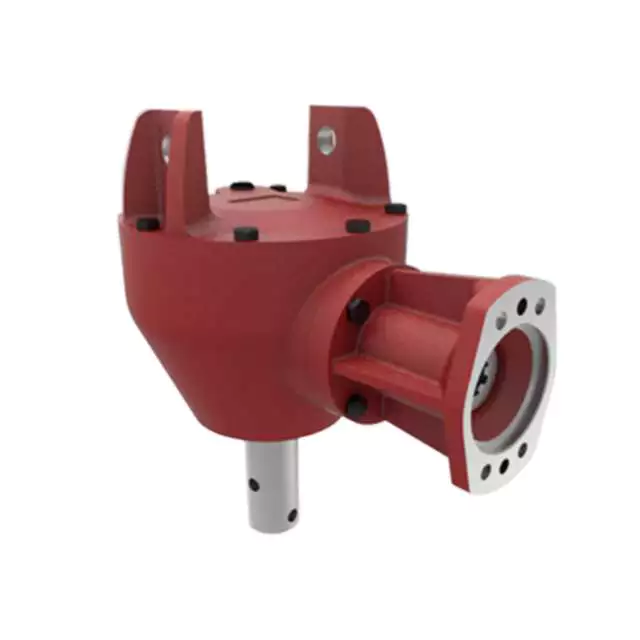
Case Studies: Successful Implementations of Agricultural Gearboxes
Several case studies highlight the successful integration of agricultural gearboxes in farming machinery:
- Case Study 1: Tractor Versatility
A farm in the Midwest implemented tractors equipped with adjustable gearboxes. The gearboxes allowed the tractors to seamlessly switch between plowing, planting, and harvesting tasks. The ability to customize speed and torque ratios improved efficiency and reduced the need for multiple machines.
- Case Study 2: Orchard Management
An orchard in California utilized specialized gearboxes in its mechanized harvesters. These gearboxes facilitated controlled movement and precise positioning of the harvesters among trees. The adaptability of the gearboxes enabled the harvesters to navigate the orchard’s uneven terrain while minimizing damage to trees and fruit.
- Case Study 3: Precision Planting
A farm in Europe integrated precision planting machinery with gearboxes that offered adjustable gear ratios. This allowed for precise control over seed placement and depth. The gearboxes played a vital role in achieving uniform crop emergence and optimizing seed-to-soil contact.
- Case Study 4: Multi-Tasking Implements
A farming cooperative in Australia utilized multi-tasking implements equipped with versatile gearboxes. These implements could seamlessly switch between tasks such as plowing, harrowing, and fertilizing. The gearboxes’ ability to manage torque and speed ratios ensured optimal performance across various tasks.
- Case Study 5: Soil Conservation
A farm in Africa adopted gearboxes in its soil conservation practices. By attaching specialized implements with adjustable gearboxes to their tractors, the farm effectively controlled soil erosion and improved water infiltration rates. The gearboxes allowed for precise adjustments based on soil type and slope.
These case studies illustrate the impactful role of agricultural gearboxes in enhancing efficiency, versatility, and productivity across a spectrum of farming applications.
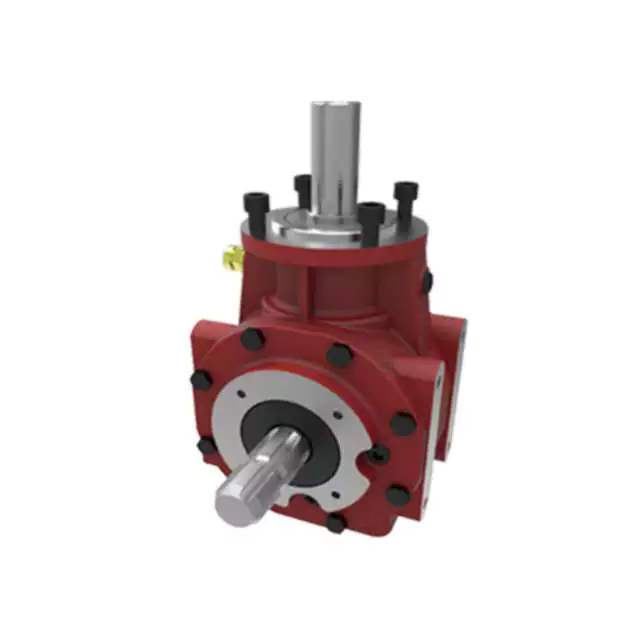
Specific Safety Precautions for Agricultural Gearbox Operation
Operating agricultural machinery with gearboxes requires careful attention to safety to prevent accidents and ensure the well-being of operators and bystanders. Here are some specific safety precautions associated with agricultural gearbox operation:
- Read the Manual: Familiarize yourself with the manufacturer’s manual for the specific gearbox and machinery. It provides valuable information about proper operation, maintenance, and safety guidelines.
- Proper Training: Ensure that operators are trained in the safe operation of the machinery, including how to engage and disengage the gearbox, adjust speeds, and handle emergencies.
- Protective Gear: Operators should wear appropriate protective gear, such as helmets, gloves, safety goggles, and sturdy footwear, to reduce the risk of injury from debris, moving parts, or other hazards.
- Clear Workspace: Before operating the machinery, clear the area of obstacles, debris, and bystanders. Ensure a safe distance between the machinery and people.
- Secure Attachments: If the gearbox is used in conjunction with attachments, ensure that they are properly secured and mounted according to manufacturer guidelines to prevent detachment during operation.
- Engage Safely: Engage the gearbox and start the machinery only after ensuring that all personnel are at a safe distance and that the machinery is on stable ground.
- Avoid Loose Clothing: Operators should avoid wearing loose clothing or accessories that could get caught in moving parts.
- Emergency Stops: Familiarize yourself with the location of emergency stop buttons and switches on the machinery and be prepared to use them if needed.
- Regular Maintenance: Perform routine maintenance checks on the gearbox and machinery to ensure that all components are in proper working condition. Replace worn parts and lubricate components as recommended by the manufacturer.
- Shut Down Properly: When finishing a task, disengage the gearbox, shut off the machinery, and engage any safety locks to prevent accidental starts.
Following these safety precautions can greatly reduce the risk of accidents and injuries when operating agricultural machinery with gearboxes. Always prioritize safety to create a secure working environment for everyone involved.
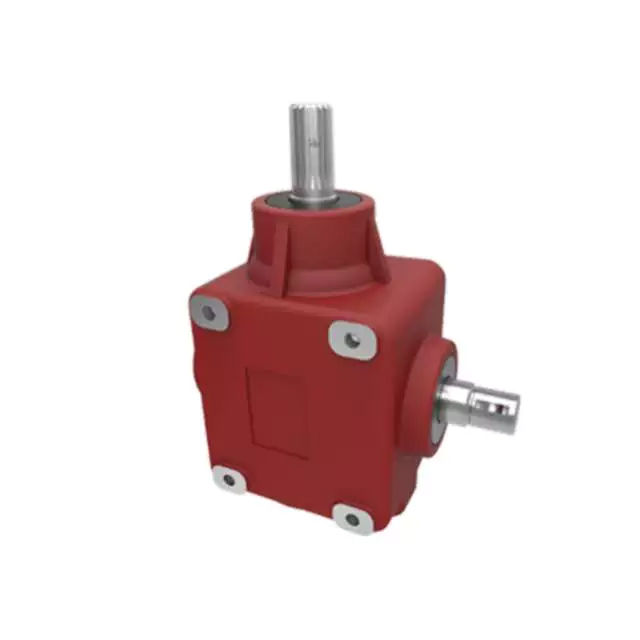
Key Features of a Durable and Reliable Agricultural Gearbox
A durable and reliable agricultural gearbox is crucial for the efficient operation of farming equipment and machinery. The following key features contribute to the durability and reliability of agricultural gearboxes:
- High-Quality Materials: Agricultural gearboxes are often exposed to harsh conditions, including dust, debris, and varying weather. Using high-quality materials, such as strong alloy steels, can enhance the gearbox’s resistance to wear, corrosion, and other forms of deterioration.
- Rugged Construction: The gearbox should have a robust and rugged construction to withstand the stresses and strains associated with agricultural tasks. Reinforced housings, precision machining, and robust seals can help prevent damage and ensure longevity.
- Effective Lubrication System: Proper lubrication is vital to reduce friction, dissipate heat, and prevent premature wear. Agricultural gearboxes should be equipped with efficient lubrication systems that ensure all components are adequately lubricated, even during extended operation.
- Sealing and Protection: Dust, dirt, and moisture are common challenges in agricultural environments. Effective sealing mechanisms, such as gaskets and seals, prevent contaminants from entering the gearbox and protect internal components from damage.
- Heat Dissipation: The gearbox should be designed to dissipate heat effectively, especially during prolonged operation. Overheating can lead to lubrication breakdown and premature wear. Cooling fins and adequate ventilation can help maintain optimal operating temperatures.
- Gear Quality and Precision: High-quality gears with accurate tooth profiles and precision manufacturing ensure smooth and efficient power transmission. Properly machined gears reduce noise, vibration, and the risk of gear failures.
- Advanced Gear Design: Some agricultural gearboxes may feature advanced gear designs, such as helical or planetary gears. These designs offer improved efficiency, reduced noise, and increased load-bearing capacity compared to traditional spur gears.
- Overload Protection: Incorporating overload protection mechanisms, such as shear pins or clutch systems, can prevent damage to the gearbox and other connected components in case of sudden high loads or jams.
- Easy Maintenance Access: The gearbox should be designed with maintenance in mind. Accessible inspection points, drain plugs, and fill ports make it easier for operators to perform routine maintenance tasks.
Manufacturers often engineer agricultural gearboxes to meet these requirements, ensuring that they can withstand the demanding conditions of farming operations and contribute to the reliable performance of agricultural machinery.


editor by CX 2024-05-14