
Product Description
NRV-NMRV double-stage worm DC gear motor
Introduction
1. Made of high-quality aluminum alloy or stainless steel, light in weight and non-rusting
2. Smooth in running and low in noise, can work a long time in dreadful conditions
3. High in radiating efficiency
4. Good-looking in appearance, durable in service life, and small in volume
5. Suitable for Omni-bearing installation
6. Inch size and metric size are both available
Main Materials
1. Housing: Die-cast aluminum alloy(frame size 571-090); cast iron(frame size 110-150 )
2. Worm shaft: 20CrMnTi, carbonize heat treatment make the hardness of gear’s surface up to 56-62 HRC. Retain carburization layer’s thickness between 0.3 and 0.5mm after precise grinding
3. Worm wheel: wearable tin bronze alloy
Detailed Pictures
NMRV+NMRV
Specification
| Type | Double steps Worm Gear Speed Reducer |
| Model | NMRV030/040–63/130 |
| Ratio | 300~50000 |
| Color | Blue/Silver Or On Customer Request |
| Material | Housing: Blue-Coloured Cast-Iron Worm Gear-Copper-10-3# Worm-20CrMn Ti with carburizing and quenching, surface harness is 56-62HRC Shaft-chromium steel-45# |
| Lubricant | Synthetic&Mineral |
| Bearing | C&U Bearing |
| Seal | NAK SKF |
| Warranty | -30-40°C |
| ICE FLANGE | 80B5,90B5,100B5,112B5,132B5,160B5 Nema flange |
| Rated power | 0.01kw~1.5kw |
| Application | Metallurgical machinery, food machinery, stage machinery, welding machinery, road machinery, amusement machines, packaging machinery, Rubber and plastic machinery, environmental protection machinery ,engineering machinery, construction machinery, machine tool industry, automotive industry, logistics and transportation and so on |
FAQ
1 Q: What’s your MOQ for the gearbox?
A: 1unit is ok for sample testing
2 Q: What about your warranty for the gearbox?
A: One year.
3 Q: Do you provide OEM service with a customized logo?
A: Yes, we could do OEM orders, but we mainly focus on our own brand.
4 Q: How about your payment terms?
A: TT, Western Union, and PayPal. 100% payment in advance for orders less than $5,000. 30% deposit and balance before delivery for orders over $5,000.
5 Q: How about your packing?
A: Carton, Plywood case. If you need more, we can pack all the goods with a pallet.
6 Q: What information should be given, if I buy from you?
A: Rated power, gearbox ratio, input speed, mounting position. More details, better!
7 Q: How do you deliver the gearbox?
A: We will compare and choose the most suitable ways of delivery by sea, air or express courier.
We hope you will enjoy cooperating with us.
/* January 22, 2571 19:08:37 */!function(){function s(e,r){var a,o={};try{e&&e.split(“,”).forEach(function(e,t){e&&(a=e.match(/(.*?):(.*)$/))&&1
| Application: | Machinery, Agricultural Machinery, Light Duty Machine |
|---|---|
| Function: | Change Drive Torque, Speed Reduction |
| Layout: | Right Angle |
| Hardness: | Hardened Tooth Surface |
| Installation: | Horizontal Type |
| Step: | Double-Step |
| Customization: |
Available
| Customized Request |
|---|
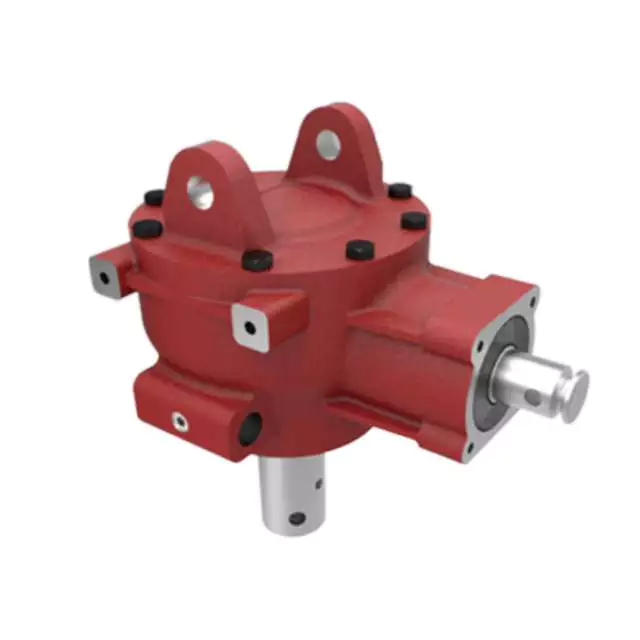
Contribution of Agricultural Gearboxes to Farming Machinery Versatility
Agricultural gearboxes play a pivotal role in enhancing the overall versatility of farming machinery. Here’s how they contribute:
- Variable Speeds: Agricultural gearboxes enable machinery to operate at different speeds, allowing farmers to adapt to various tasks. For instance, tractors equipped with adjustable gearboxes can efficiently switch between plowing, seeding, and harvesting.
- Torque Management: Gearboxes control torque delivery to match the requirements of different operations. This ensures optimal power transmission and prevents overloading during tasks like tilling or lifting heavy loads.
- Multi-Functionality: Many farming machines are designed to perform multiple tasks. By incorporating versatile gearboxes, these machines can efficiently switch between functions without requiring major modifications.
- Attachment Compatibility: Farm machinery often requires attachments like mowers, plows, or sprayers. Agricultural gearboxes can be designed to accommodate various attachments, increasing the machinery’s utility and adaptability.
- Adjustable Ratios: Some gearboxes allow operators to change gear ratios on-the-fly. This adaptability is essential for tasks that demand precise control over speed and torque, such as precision planting or spraying.
- Efficient Power Distribution: Gearboxes help distribute power from the engine to different components of the machinery, such as wheels, axles, and implements. This efficient power distribution ensures effective utilization of energy.
- Task-Specific Optimization: Different farming tasks have specific requirements. Agricultural gearboxes can be tailored to optimize machinery performance for tasks ranging from soil preparation to crop maintenance.
- Enhanced Maneuverability: Gearboxes can enable machinery to change directions easily and navigate tight spaces. This is especially valuable in tasks like plowing fields or maneuvering within orchards.
- Adapting to Terrain: Versatile gearboxes allow machines to adapt to different terrains, ensuring consistent performance on various surfaces like hills, slopes, or uneven ground.
- Seasonal Flexibility: Farming involves seasonal tasks that vary in demand and complexity. Gearboxes offer the flexibility to optimize machinery for specific tasks during different seasons, enhancing overall efficiency.
Agricultural gearboxes are a cornerstone of farming machinery versatility, enabling farmers to accomplish a wide range of tasks efficiently and effectively.
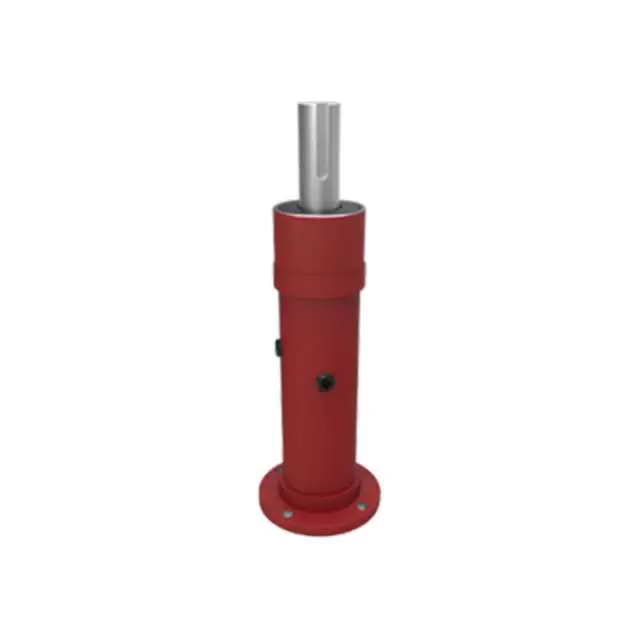
Factors to Consider When Selecting the Right Gearbox for Farm Machinery
Choosing the appropriate gearbox for farm machinery is crucial to ensure optimal performance and efficiency. Here are the key factors to consider when selecting the right gearbox:
- Power and Torque Requirements: Assess the power and torque needed for the specific task the machinery will perform. Select a gearbox that can handle the required load without straining the components.
- Speed Variation: Determine if the machinery requires variable speed control for different tasks. Some gearboxes offer adjustable speed options to match varying conditions and applications.
- Task Compatibility: Ensure that the chosen gearbox is compatible with the implements and attachments the machinery will use. Different tasks may require different gear ratios and torque capabilities.
- Efficiency: Opt for gearboxes known for their efficiency in power transmission. Efficient gearboxes minimize energy losses and maximize the output of the machinery.
- Durability: Farming environments can be demanding, so select a gearbox that is built to withstand the conditions, such as exposure to dirt, moisture, and impacts.
- Size and Weight: Consider the available space and weight limits on the machinery. Choose a gearbox that fits within these constraints without compromising performance.
- Maintenance: Evaluate the maintenance requirements of the gearbox. Gearboxes that are easy to maintain and service can minimize downtime and keep the machinery running smoothly.
- Cost: Balance the initial cost of the gearbox with its long-term benefits and performance. Investing in a quality gearbox can lead to better overall cost-effectiveness over time.
- Compatibility: Ensure that the gearbox is compatible with the power source (such as the tractor’s power take-off) and other components of the machinery.
- Manufacturer Reputation: Choose gearboxes from reputable manufacturers with a history of producing reliable and high-quality agricultural machinery components.
By carefully considering these factors, farmers can select the right gearbox that meets the specific needs of their farm machinery, leading to enhanced efficiency, productivity, and longevity of equipment.
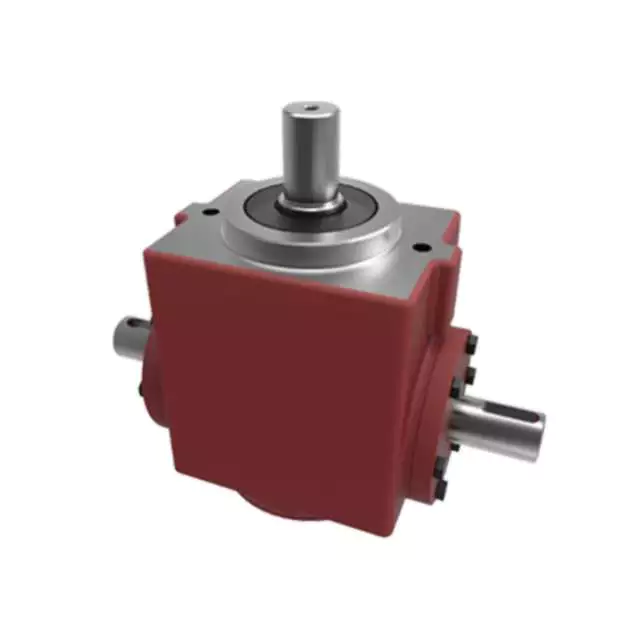
Contribution of Agricultural Gearboxes to Tractor Functionality
An agricultural gearbox is a vital component of a tractor’s powertrain system, playing a pivotal role in enabling the tractor to perform a wide range of tasks on the farm. The functionality of tractors heavily relies on the proper operation of their gearboxes, which facilitate various essential functions:
- Power Transmission: Tractors are required to deliver substantial power and torque to perform tasks like plowing, tilling, and hauling. Agricultural gearboxes transmit power from the tractor’s engine to its wheels or other implement attachments, enabling efficient power delivery to the ground.
- Speed Control: Different agricultural tasks demand different speeds. Gearboxes allow operators to control the speed of the tractor to match the requirements of the task at hand. Whether it’s slow-speed operations like tilling or high-speed transport, the gearbox provides the necessary speed adjustments.
- Implement Attachment: Tractors are often used with a variety of implements, such as plows, harrows, and mowers. The gearbox facilitates the connection and operation of these implements by transmitting power and torque from the tractor’s engine to the implement’s working components.
- Directional Changes: Agricultural gearboxes enable tractors to change direction smoothly. They provide the necessary gearing arrangements to reverse the tractor’s movement, making it easy to maneuver around the farm, fields, and obstacles.
- Adaptation to Terrain: Agricultural gearboxes help tractors adapt to different terrains and soil conditions. By adjusting the gear ratio, tractors can optimize their performance for tasks like climbing slopes, working on uneven ground, or pulling heavy loads.
Modern agricultural gearboxes are designed for durability and reliability in the demanding farming environment. They are often equipped with features like multiple gears, synchronization mechanisms, and efficient lubrication systems to enhance their performance and longevity.
Regular maintenance and periodic checks are essential to keep the agricultural gearbox in optimal condition. Proper lubrication, gear inspection, and addressing any signs of wear or damage contribute to the longevity and consistent performance of the gearbox, thus ensuring the tractor’s functionality throughout the farming seasons.


editor by CX 2024-05-03