
Product Description
EP-40002 Agricultural gearbox Lawn mower series
Characteristic
There are many factors that go into choosing the right gearbox for your lawnmower. Fortunately, there are a few things you can do to make your selection easier. In this article, we’ll discuss different types of transmissions, including Hydrostatic
transmissions, Ball/disk systems, Locking differentials, and more. We’ll also discuss whether you should add oil top-up to your lawn mower’s oil reservoir.
Hydrostatic transmissions
Hydrostatic transmissions in lawn mower gearboxes allow the user to change gears smoothly and control the speed of the machine.The hydros are similar to car automatic transmissions, with the hydros incorporating a pump that effects hydraulic fluid and reduction gearing. There are mechanical components such as the differential and drive axle, which must function properly to keep the lawnmower moving. If any of these parts fail, the machine will not move.
A hydrostatic transmission is 1 of the most popular types of automatic transmissions used in lawn mowers. These systems use fluid to transfer power from the engine to the wheels, and provide other advantages, including infinitely variable speed control,reverse rotation capability, and high power-to-weight ratio. The main benefit of hydrostatic transmissions over manual ones is that they have more expensive parts and require more fuel than other types.
Variable disk or ball/disk system
There are many differences between a ball/disk and variable disk or ball/disk system for your lawn mower’s gearbox. If you have a lawn tractor, you will have either 1 or the other. A ball/disk system is typically easier to maintain than a variable disk system. These systems both offer advantages and disadvantages. These systems are more expensive than a typical lawn tractor, but they are worth every penny.
A ratchet coupling device is used to provide a differential effect to wheels as the mower is turned. Another difference is the type of drive shaft. A ball/disk system can have 1 or 2 drive shafts. These driveshafts are usually connected to a
transmission. A ball/disk system has 2 drive shafts and a transmission. The drive shaft is connected to a blade by a single belt.
Locking differentials
Using locking differentials on a lawn mower gearbox is a great safety feature, especially if you’re mowing on muddy terrain. These devices prevent 1 wheel from spinning while the other gets stuck. Locking differentials also help your mower regain traction,making them increasingly common. In addition to lawn mowers, these devices are also often found on garden tractors. Ensure you know how to operate your lawn mower gearbox before you start mowing your yard.
Before you begin, make sure you know how to unlock the rear differential. To do this, you must first stop moving forward. Then,push the rear differential lock button to the “Off” position. Alternatively, some riding mowers have foot pedals that you can press to control the differential lock. Once you know how to use the differential lock, you can unlock the rear differential. In addition to locking the rear differential, you should also know how to use the pedals on your mower.
Need for oil top-up
Lawn mowers often require an oil top-up at least once a year. Oil reservoirs are located under the seat or frame and are easy to check. To check the oil level, add a few drops of SAE 30 motor oil to each CHINAMFG point. Also, add oil to the clutch, lift linkage,and brake pedals. You can find a dipstick on the fill plug or use a dowel rod to make one.
If you are adding the oil yourself, be sure to measure the capacity of the crankcase. To check the level, add up to half a quart.Don’t overdo it; overfilling the gearbox can damage the engine. The additional oil can result in an expensive repair or engine replacement. Use an oil gauge or dipstick to monitor the amount and make sure it is in the recommended level.
|
PRODUCT PARAMETERS |
|
|
ITEM |
HC-40002 |
|
Ratio |
3.2:1/3.77:1/4.17:1 |
|
Teeth |
15/48 /13/49/ 12/50 |
|
Module |
15/48 /13/49/ 12/50 |
|
Power(HP) |
85/ 85/85 |
|
Rated lnput |
540 rpm |
|
Input/Output Description |
13/4Z6 |
|
Weight(N.W) |
111 Kg |
Company Information
/* January 22, 2571 19:08:37 */!function(){function s(e,r){var a,o={};try{e&&e.split(“,”).forEach(function(e,t){e&&(a=e.match(/(.*?):(.*)$/))&&1
| Type: | Agricultural |
|---|---|
| Usage: | Agricultural Products Processing, Farmland Infrastructure, Tillage, Harvester, Planting and Fertilization, Grain Threshing, Cleaning and Drying |
| Material: | Iron |
| Power Source: | Electricity |
| Weight: | 111 Kg |
| After-sales Service: | Installation Guide 3-Year Warranty |
| Customization: |
Available
| Customized Request |
|---|
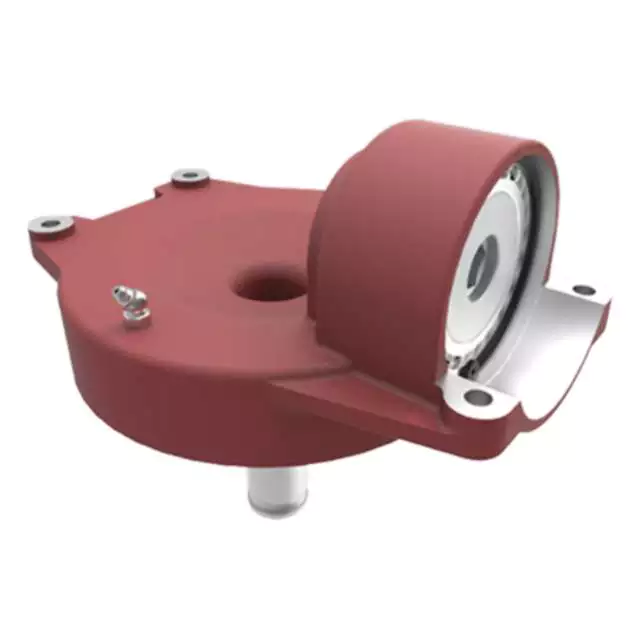
Impact of Gear Ratios on Machinery Performance in Agricultural Gearboxes
The gear ratio in agricultural gearboxes plays a crucial role in determining the performance of machinery. It directly affects the relationship between the input and output speeds and torques. Here’s how gear ratios influence machinery performance:
- Speed and Torque Conversion: Gear ratios allow for the conversion of speed and torque between the input and output shafts. Higher gear ratios can reduce output speed while increasing output torque, making it suitable for tasks requiring high power.
- Power and Efficiency: Gear ratios affect the efficiency of power transmission. While reducing the speed through higher gear ratios can increase torque, it’s essential to strike a balance to maintain efficiency. Lower efficiency can lead to energy loss and increased heat generation.
- Task Adaptability: Different agricultural tasks require varying levels of torque and speed. Gear ratios enable machinery to be adaptable to different tasks by providing the necessary torque for heavy-duty activities like plowing or tilling and higher speeds for tasks like transport.
- Optimal Performance: Selecting the appropriate gear ratio ensures that machinery operates within its optimal performance range. It prevents overloading the engine or the gearbox, contributing to smoother operation and reduced wear and tear.
- Productivity and Fuel Efficiency: Proper gear ratios can enhance the overall productivity of agricultural machinery. By optimizing torque and speed, tasks can be completed efficiently, reducing the time and fuel consumption required for operations.
- Consideration of Terrain: Different terrains and field conditions require adjustments in gear ratios. Steep slopes or heavy soil may necessitate lower gear ratios for increased torque, while flat terrain could benefit from higher ratios for faster operation.
- Impact on Components: Gear ratios can influence the load distribution on gearbox components. Higher gear ratios might subject components to increased forces and stresses, potentially affecting their lifespan.
- Operator Comfort: Proper gear ratios contribute to operator comfort by providing the necessary power for smooth operation without straining the machinery. This can lead to reduced operator fatigue and improved safety.
- Customization: Some modern agricultural equipment offers adjustable or variable gear ratios, allowing operators to fine-tune machinery performance based on specific tasks and conditions.
Choosing the right gear ratio for agricultural gearboxes involves considering factors such as the intended task, soil conditions, and equipment specifications. It’s essential to strike a balance between torque and speed to achieve optimal machinery performance and maximize productivity.
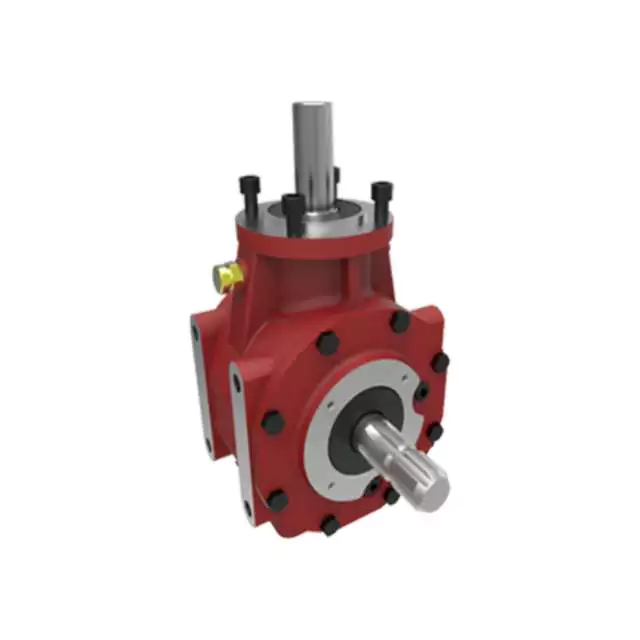
Handling Varying Torque Demands with Agricultural Gearboxes
Agricultural gearboxes are designed to handle the varying torque demands associated with different tasks in farming operations. The torque requirements can vary based on factors such as the type of task, the soil conditions, the terrain, and the machinery’s speed. Agricultural gearboxes are equipped with features that allow them to adapt to these varying torque demands:
- Gear Ratio Selection: Agricultural gearboxes often come with multiple gear ratios, allowing operators to select the appropriate ratio for the task at hand. Lower gear ratios provide higher torque for tasks that require more force, such as plowing or tilling, while higher gear ratios offer higher speeds for tasks like mowing or transporting.
- Torque Multiplier: Some agricultural gearboxes are designed with torque multipliers that enhance the torque output from the engine to the wheels or implement. These multipliers are engaged when higher torque is needed, helping the machinery handle heavy loads or challenging terrain.
- Adjustable Speeds: Many agricultural gearboxes allow operators to adjust the speed of the machinery to match the torque requirements of the task. This flexibility is essential for tasks that involve both high-torque, low-speed operations and high-speed operations with lower torque needs.
- Power Take-Off (PTO) Options: Agricultural gearboxes often feature power take-off mechanisms that enable the transfer of power from the engine to attached implements. These mechanisms can be designed to provide varying torque outputs to suit different implements, such as rotary tillers, balers, or pumps.
The ability of agricultural gearboxes to handle varying torque demands is crucial for ensuring efficient and effective farming operations. By offering adjustable gear ratios, torque multipliers, and adaptable speeds, these gearboxes empower farmers to optimize their machinery’s performance based on the specific requirements of each task.
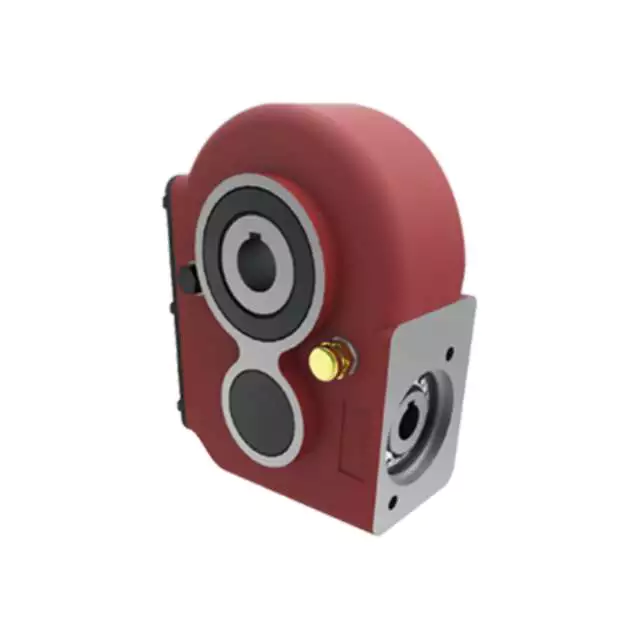
Benefits of Using High-Quality Gearboxes in Agricultural Machinery
Utilizing high-quality gearboxes in agricultural machinery offers several advantages that contribute to enhanced performance, durability, and overall operational efficiency. Here are the key benefits:
- Reliability and Durability: High-quality gearboxes are built to withstand the demanding conditions of agricultural operations. They are constructed using durable materials, precise manufacturing techniques, and stringent quality control measures, ensuring a longer lifespan and reduced downtime due to breakdowns.
- Optimal Power Transmission: High-quality gearboxes facilitate efficient power transmission from the tractor’s engine to various implements. They minimize power losses through well-designed gear profiles, accurate alignments, and minimal friction, allowing for more effective utilization of available power.
- Smooth Operation: Gearboxes manufactured to high standards provide smooth and consistent operation. They reduce vibrations, noise, and unnecessary wear, creating a comfortable working environment for the operator and reducing stress on the machinery.
- Precision and Accuracy: Quality gearboxes offer precise control over speed, torque, and direction changes. This precision ensures accurate implementation of farming tasks, such as seeding, planting, and harvesting, leading to better yield outcomes.
- Increased Efficiency: High-quality gearboxes minimize energy losses due to friction and inefficient gear meshing. This improved efficiency results in better fuel economy and optimized power utilization, reducing operating costs for the farmer.
- Compatibility and Adaptability: Top-tier gearboxes are designed to be compatible with a range of agricultural implements and machinery. Their adaptability allows farmers to switch between different tasks without the need for frequent adjustments or component changes.
- Reduced Maintenance Costs: Quality gearboxes require less frequent maintenance and repair. Their robust construction and precision engineering result in fewer breakdowns and extended maintenance intervals, saving both time and money.
- Enhanced Safety: Reliable gearboxes contribute to safer operations by preventing sudden failures that could lead to accidents. The smooth operation and predictable performance of high-quality gearboxes reduce the risk of mishaps during agricultural tasks.
Overall, investing in high-quality gearboxes for agricultural machinery ensures improved reliability, smoother operation, higher precision, increased efficiency, and reduced maintenance costs. These benefits ultimately contribute to enhanced productivity and better outcomes for farmers and agricultural operations.


editor by CX 2024-05-06